
Introduction
Cationic Polyacrylamide is widely recognized for its effectiveness in enhancing sludge treatment, solid–liquid separation, and wastewater processing. Its positive charge and high molecular weight allow it to interact efficiently with negatively charged particles, making it a vital chemical across multiple industries.
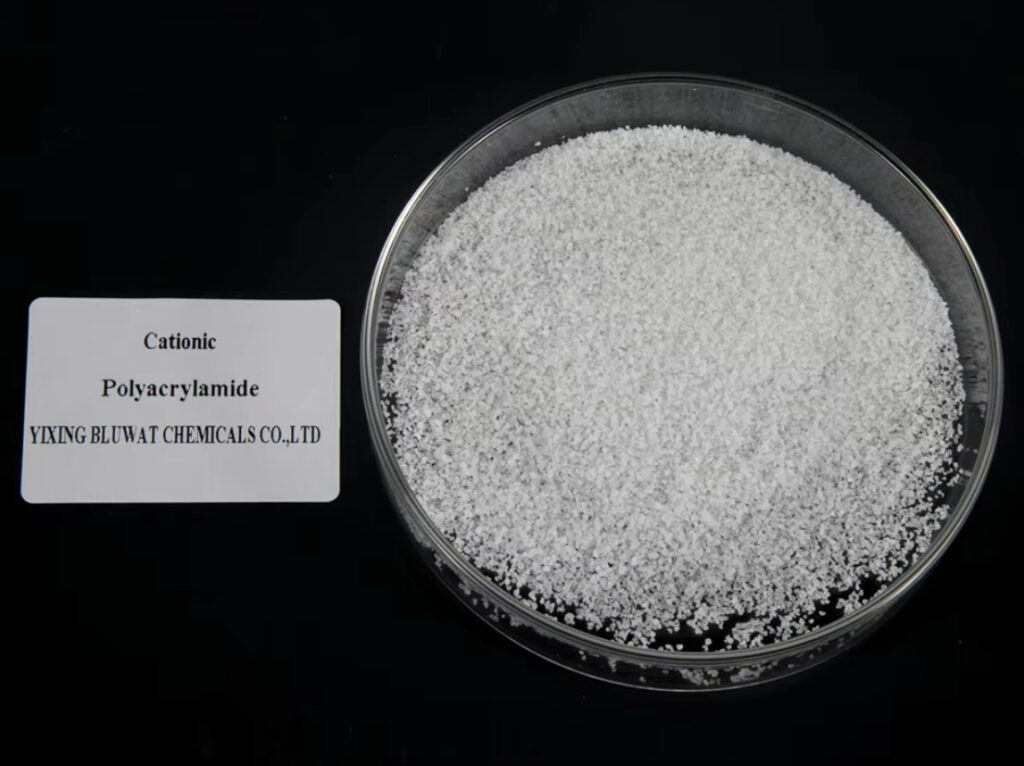
What Is Cationic Polyacrylamide?
Cationic Polyacrylamide is a water-soluble polymer engineered to accelerate flocculation, improve dewatering, and strengthen sedimentation efficiency. Its cationic charge enables it to bond quickly with suspended solids, leading to denser flocs and faster separation. This property makes it indispensable for facilities that demand clean water, stable processes, and reliable outcomes.
Key Properties of Cationic Polyacrylamide
Cationic Polyacrylamide is valued for several essential characteristics:
- High cationic charge density for strong particle attraction
- Superior dewatering performance suitable for various sludge types
- Rapid dissolution for quick system integration
- Stable behavior across a range of pH and operating conditions
These qualities allow the polymer to deliver consistent and predictable results.
Application of Cationic Polyacrylamide in Sludge Dewatering
One of the most common uses of Cationic Polyacrylamide is in sludge dewatering. It helps convert diluted sludge into a denser, more manageable form. The polymer enhances the performance of centrifugal systems, filter presses, belt presses, and gravity thickeners by improving water release and lowering disposal costs.
Wastewater Treatment Advantages
Wastewater treatment plants rely heavily on Cationic Polyacrylamide to accelerate the separation of suspended solids. It increases sedimentation speed, reduces turbidity, and boosts overall treatment efficiency. Whether applied in municipal or industrial systems, it significantly supports cleaner discharge and more sustainable water management.
Industrial Applications in Paper, Textile, and Chemical Processes
Cationic Polyacrylamide plays a crucial role beyond wastewater treatment. In the paper industry, it enhances fiber retention and contributes to better sheet formation. In textile processing, it supports color fixation and waste reduction. Chemical manufacturers utilize it to improve filtration, stabilize products, and enhance processing reliability.
Benefits for Oil & Gas Operations
Oil and gas operations also incorporate Cationic Polyacrylamide to assist in enhanced oil recovery, drilling fluid conditioning, and produced-water treatment. Its ability to bond with fine particles and stabilize liquids supports efficient extraction and reduces operational challenges.
How to Select the Right Cationic Polyacrylamide
Choosing the appropriate grade requires understanding usage conditions and target results. Important factors include:
- Required charge density
- Sludge characteristics
- Equipment type
- Water chemistry
Working with experienced suppliers ensures an optimized formula tailored to your facility’s needs.
Conclusion
Cationic Polyacrylamide continues to be a reliable solution for improving sludge dewatering, wastewater treatment, and industrial processing. Its strong flocculation capability, stability, and adaptability make it an essential component of modern treatment systems. As industries strive for higher efficiency and sustainability, Cationic Polyacrylamide remains a key performance polymer.

 Skip to content