
Introduction
Anionic Polyacrylamide has become an essential polymer across multiple industries thanks to its excellent flocculation, binding, and thickening capabilities. Its versatility and high performance make it a preferred choice in water treatment, mining, and various industrial applications.
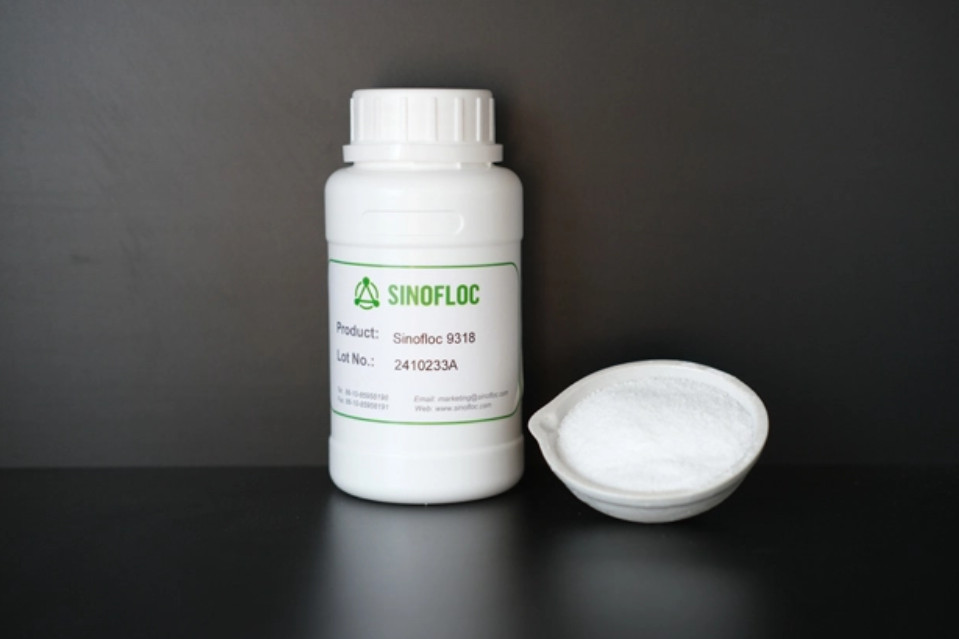
Understanding Anionic Polyacrylamide
Anionic Polyacrylamide is a water-soluble polymer widely used to enhance solid–liquid separation. Its negatively charged molecular structure allows it to attract and bind suspended particles, forming larger flocs that settle faster. This chemical behavior makes it valuable for improving clarity, reducing processing time, and increasing overall efficiency in demanding environments.
Key Properties of Anionic Polyacrylamide
Anionic Polyacrylamide stands out due to several notable characteristics:
- High molecular weight, enabling strong bridging between particles
- Excellent water solubility, allowing quick preparation and dispersion
- Strong flocculation ability, suitable for a wide range of suspended solids
- Chemical stability, ensuring consistent performance in various pH conditions
These features make it adaptable for industrial processes that require precision and reliability.
Applications in Water Treatment
Water treatment facilities rely heavily on Anionic Polyacrylamide for its superior flocculation effects. It is often used in:
- Municipal wastewater purification
- Industrial effluent treatment
- Sludge dewatering
- Sedimentation enhancement
By accelerating particle aggregation, it significantly improves filtration efficiency, reduces turbidity, and lowers operational expenses.
Use in Mining and Mineral Processing
Mining operations frequently incorporate Anionic Polyacrylamide to optimize ore separation and tailings management. It helps clarify process water, strengthen waste handling systems, and boost recovery rates. The polymer’s ability to enhance sedimentation makes it invaluable in mineral extraction settings where precision is crucial.
Role in Paper Manufacturing
In the paper industry, Anionic Polyacrylamide functions as both a retention and drainage aid. It increases fiber retention, improves paper quality, and enhances machine speed. The polymer supports smoother production and reduces fiber loss during processing.
Benefits in Agriculture and Soil Conditioning
Agriculture also benefits from Anionic Polyacrylamide through improved soil structure and erosion control. It helps stabilize loose soil, reduce surface runoff, and retain moisture. These advantages contribute to healthier crop growth and more sustainable land management practices.
Choosing the Right Anionic Polyacrylamide Grade
Selecting the correct grade depends on application needs such as particle type, water chemistry, and operational goals. Factors to consider include:
- Anionic charge density
- Molecular weight
- Solubility speed
- Required performance level
Working with a reliable supplier ensures consistent results and long-term efficiency.
Conclusion
Anionic Polyacrylamide continues to play a crucial role in modern industrial processes thanks to its exceptional flocculation ability, stability, and versatility. Whether applied in water treatment, mining, or paper manufacturing, this powerful polymer delivers reliable performance and helps industries operate more efficiently. As demand for cleaner water and optimized production grows, Anionic Polyacrylamide remains a key solution.

 Skip to content